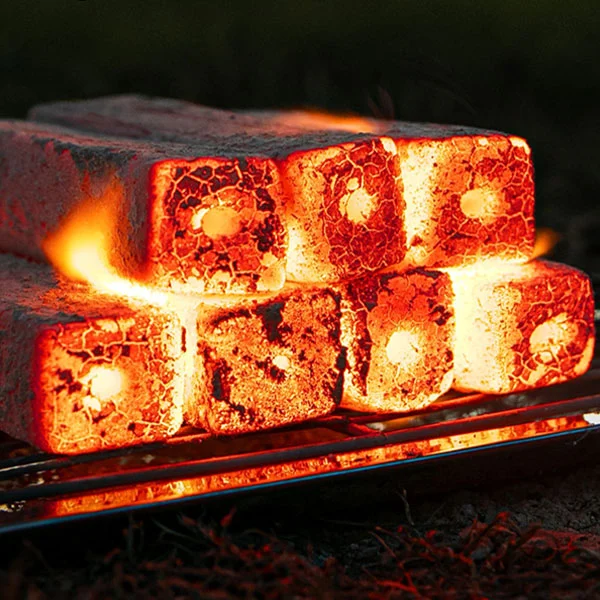
Bagasse refers to the dregs left after extracting sugarcane juice from sugarcane, usually including sugarcane bark, stems, leaves, and other parts. In recent years, with the improvement of environmental awareness, more and more people have begun to pay attention to the reuse of bagasse. Among them, converting bagasse into charcoal is a relatively common way. Bagasse charcoal is a natural charcoal material with high calorific value, low ash content, non-toxic, etc. It can be used for various purposes such as barbecue, heating, and air purification.
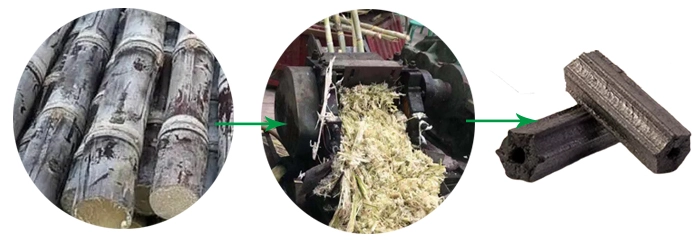
The process of making briquettes charcoal from sugarcane bagasse
As a common biomass energy material, the production process of bagasse charcoal is the same as that of other biochars, including crushing, drying, and carbonization. The difference is that the water content of bagasse will be relatively high. It is recommended to dry it before starting to reduce the water content, which can save energy consumption for drying and reduce production costs.
The following are the steps involved in producing briquette charcoal from sugarcane bagasse:
1. Collect bagasse and dry it on a spacious ground to reduce moisture
2. Crushing. Choose a hammer mill to crush bagasse and crush it to less than 5mm
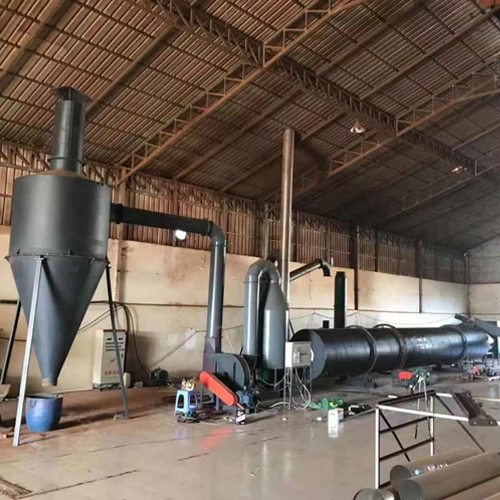
3. Drying. The crushed bagasse is transported to the dryer for drying to reduce its moisture content to below 12%. For the selection of the bagasse dryer, a comprehensive consideration needs to be made according to the humidity of the bagasse and the drying output per hour.
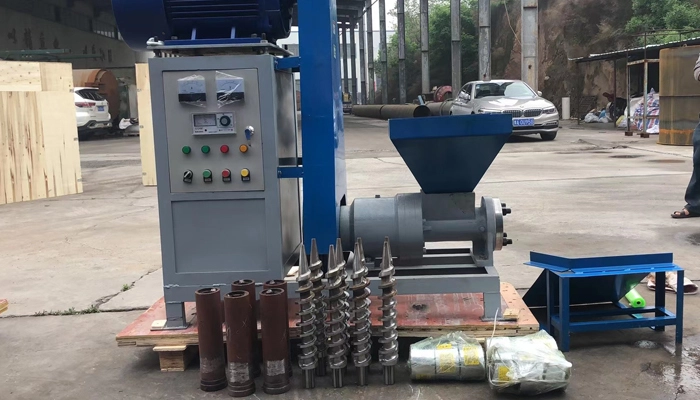
4. Briquette making. The dried bagasse is converted into logs with a bagasse briquette machine.
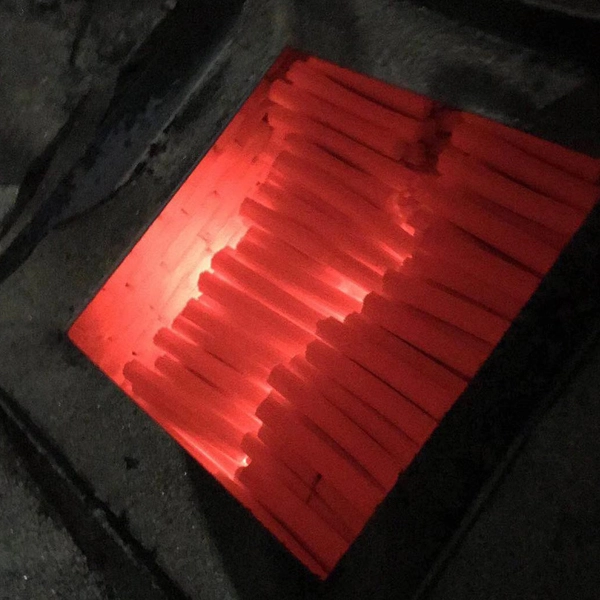
5. Carbonization. Choose our carbonization furnace or self-built carbon cellar to convert bagasse sticks into charcoal briquettes at high temperature.
sugarcane bagasse briquettes machine
Bagasse briquettes machine and sawdust briquette machine are the same machines, its function is to convert low-density sugarcane bagasse into high-density fuel briquettes. And there is no need to add any binder in the production of bagasse molding. Bagasse briquettes can be used directly as fuel, its calorific value is 4200 Kcal/kg. They can also be carbonized into charcoal for barbecue, cooking, boilers, etc.